 CATTLE VALLEY
Sustainable livestock.
Powered by science.
Cattle Valley brings modern animal care, scientific stall-feeding, and responsible breeding together to shape India’s future livestock ecosystem.
Every animal is monitored as an individual, not a number.
A calmer, smarter way to raise livestock.
We replace guesswork with observation, routine, and evidence. Our hubs create the conditions animals need to thrive, and farmers need to grow with confidence.
Wellness is the foundation of every decision.
Every stage is documented and accountable.
A model that strengthens local livelihoods.
Lower-impact systems for lasting value.
See Cattle Valley in motion.
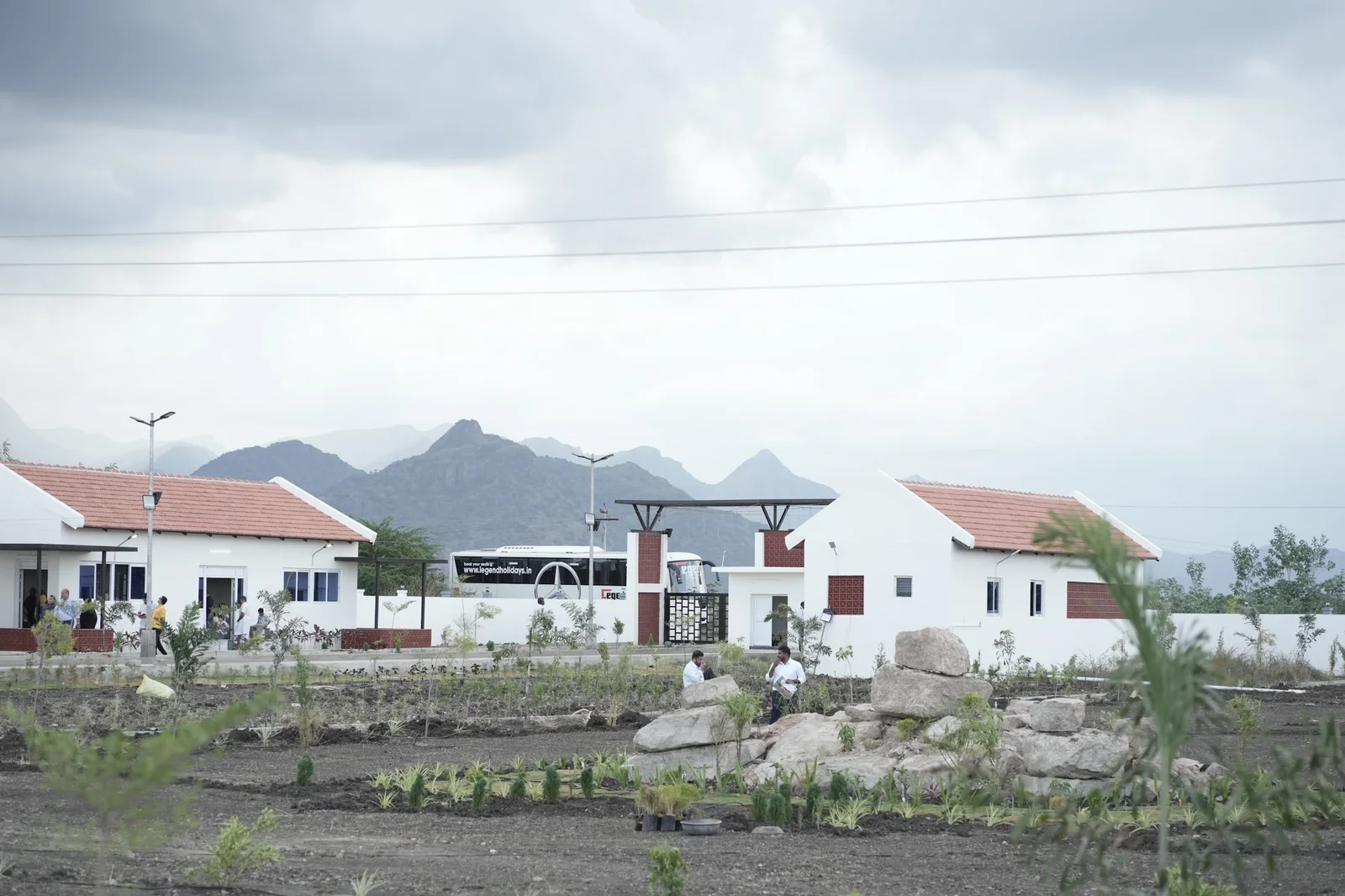
Highlights from the grand inauguration — a walk through the habitat, the hubs, and the people building it.
Rigour at every stage of growth.
Research
Data and local conditions guide our plans.
Selection
Healthy genetic potential, selected with care.
Feeding
Balanced stall-feeding for vitality.
Monitoring
Daily observation and preventative care.
Growth
Comfortable habitats for natural development.
Auction
Transparent pathways to buyers.
Upcoming hub auctions.
Auction dates and dedicated enquiries for every Cattle Valley hub.
No hubs published yet.
Why this ecosystem, why now.
Given the rising global demand for quality food and the growing preference for red meat, animal husbandry remains a rewarding long-term investment, especially in the post-pandemic landscape. Cattle Valley's vision of securing a large expanse of land and a sustainable mode of development improves the chances of healthy returns.
Goat farming
- Low initial investment
- Minimum housing requirements
- Prolific breeders, friendly with humans
- Male and female goats have equal value
- All products and by-products are useful
Buffalo farming
- 80% of Keralites are non-vegetarian, and 80% of them prefer beef
- 1 million+ buffaloes are consumed in Kerala every year
- 75% of that demand is currently brought in from northern India
- Demand for beef is on the rise
- Up to 400% value appreciation within a year
How the 200 acres are planned.
- Goat rearing10 acres
- Goat trading10 acres
- Buffalo rearing10 acres
- Buffalo trading55 acres
- Civil construction15 acres
- Fodder production100 acres